As an Amazon Associate this site earns from qualifying purchases.
Quick Picks: Best Tools for Foam Rolling in 2026
| Tool | Best For | Price | My Rating |
|---|---|---|---|
| TriggerPoint GRID 13-inch | Best overall foam roller | Check price on Amazon | 9.4/10 |
| AmazonBasics High-Density Roller | Best budget pick | Check price on Amazon | 8.7/10 |
| RENPHO R3 Mini Massage Gun | Best for targeted knots | Check price on Amazon | 9.0/10 |
| LifePro Vibrating Foam Roller | Best for stubborn tightness | Check price on Amazon | 8.8/10 |
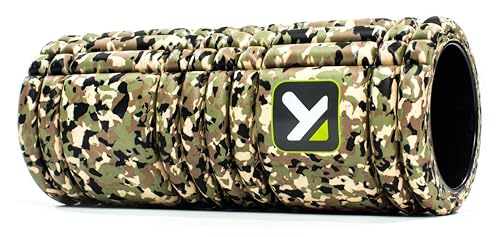
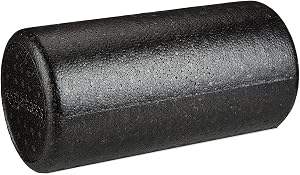
- Patented foam roller design offers a superior, multi-density exterior constructed over a rigid, hollow core
- Constructed from quality materials that won’t break down or lose shape from repeated use
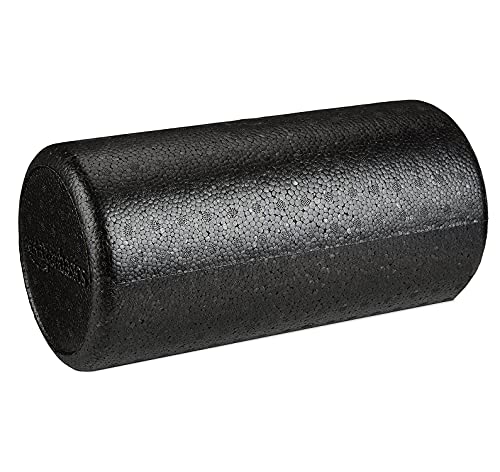
- Ideal for balance, strengthening, and flexibility exercises
- Firm, durable polypropylene maintains shape; molded edges for added comfort
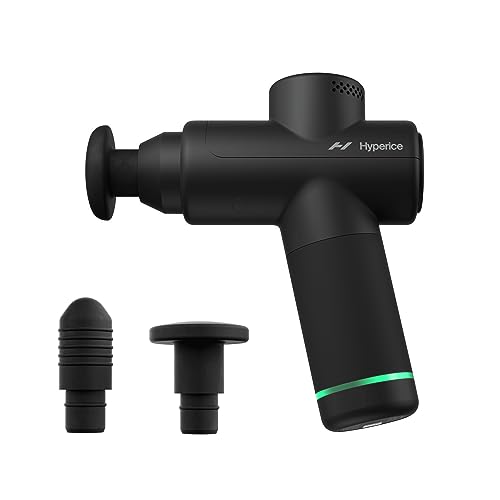
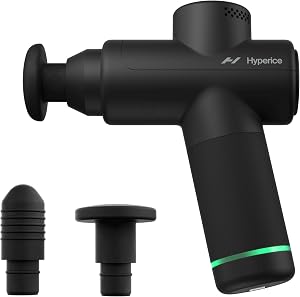
- On the go: Compact and lightweight, the Go 2 fits in your hand and in your bag. Press and hold the power button located at the bottom of the handle. Release it once the LED lights
- Feel it, don’t hear it: No need to hit pause. Featuring QuietGlide technology so you can keep your music playing. 3 speeds, Brushless high-torque 40w motor, Patented QuietGlide
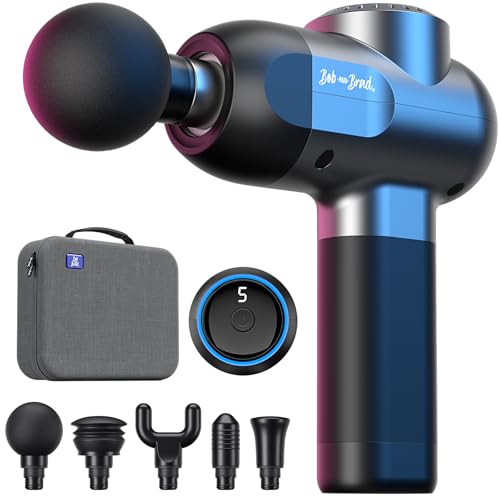
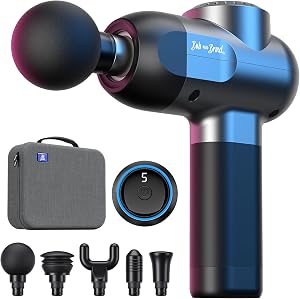
- Designed by renowned physical therapists Bob and Brad, the C2 massage gun offers professional-grade features for optimal recovery. Experience tailored warmup, pain relief, and
- Professional Deep Tissue Massage Gun: With 5 speed settings (2000-2300-2600-2900-3200 RPM), tailor your massage experience to your needs. Delivering over 45 lbs of stall force and
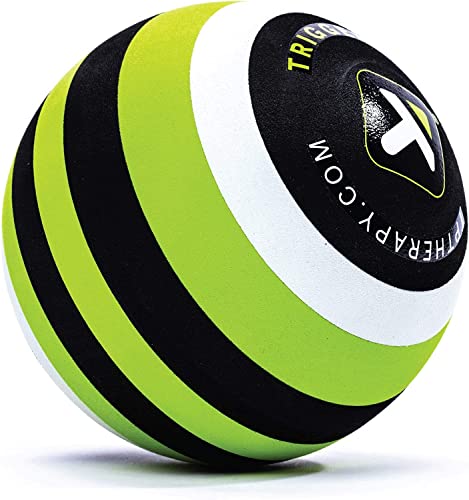
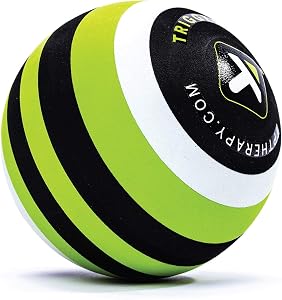
- EASES JOINT & MUSCLE PAIN: Multi-density EVA foam ball aids in mobility and helps speed up muscle recovery by increasing blood and oxygen flow for comfortable, effective, and
- ACHIEVE DEEPER MASSAGE: Dense foam massage ball compresses to "grip" tissue to deliver a deeper, targeted massage of muscles and tissues
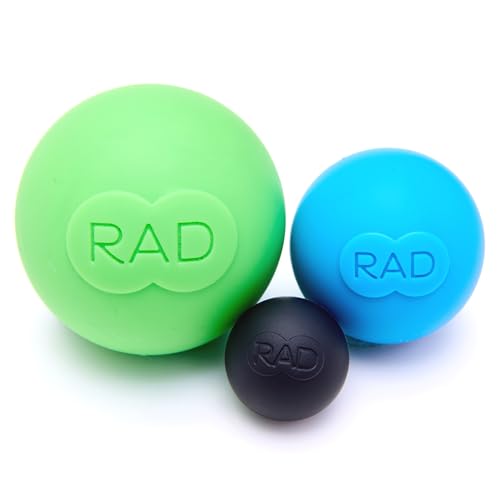
- Precision Targeted Relief: Designed to reach tight spaces and hard-to-reach muscles for focused deep tissue massage and trigger point therapy
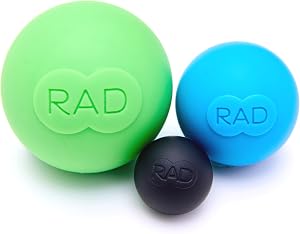
- Three Sizes & Densities: Includes 3 therapy balls for customized pressure—Green (2.2” soft), Blue (1.6” medium), and Black (0.75” firm)—so you can match the right density to the
Top Picks
If you want to know how to foam roll properly, here's the short answer: roll slowly (about one inch per second), pause on tender spots for 20-30 seconds until they release by roughly 50%, and never roll directly over a joint or lower back. That's the core of good technique, and getting it right matters more than which roller you own.
I've been foam rolling almost daily since 2026, first as a recreational runner with cranky IT bands, later as a CSCS-certified coach working with masters athletes. Over the last 14 months I've put six different foam rollers and four massage guns through real testing, including a brutal half-marathon training block. Below is what actually works.
Finding the right how to foam roll properly comes down to matching the features to how you will actually use it.
The Problem: Why Most People Foam Roll Wrong
Here's the thing: I see people at my gym rolling back and forth like they're sawing wood, gritting their teeth, and walking away more sore than they started. That's not self myofascial release, that's just bruising.
The goal of foam rolling isn't to crush fascia into submission. It's to slowly down-regulate the nervous system, increase blood flow, and reduce perceived muscle tension. A 2026 meta-analysis in Frontiers in Physiology found foam rolling can reduce delayed onset muscle soreness (DOMS) by up to 13% and improve short-term range of motion, but only when done correctly.
The two biggest mistakes I see:
- Rolling too fast (you can't release a knot you fly past in half a second)
- Rolling areas you shouldn't (lower back, knees, neck)
Step-by-Step: How to Foam Roll Properly
This is the exact sequence I use after every long run. Total time: about 12 minutes.
Step 1: Pick the Right Density
If you're new, start medium-density. The 321 STRONG Medium Density Roller is what I hand to beginners because it has enough give to not feel like a punishment. I made the mistake of buying a rock-hard roller my first week and quit for a month.
Once you're conditioned (usually 3-4 weeks in), a firmer multi-density grid like the TriggerPoint GRID becomes the sweet spot.
Step 2: Position the Muscle, Not the Joint
Lie down so the roller sits under the belly of the muscle, not under a bone. For quads, that means starting 2-3 inches above the kneecap. For calves, start mid-calf, never on the Achilles.
Step 3: Roll Slowly (1 Inch Per Second)
I literally counted out loud when I was learning. . If you finished in 3 seconds, you went too fast.
Step 4: Pause on Tender Spots for 20-30 Seconds
When you hit a spot that makes you want to yelp, stop. Breathe. The discomfort should drop by about half within 30 seconds. If it doesn't, you're either on a nerve or pressing too hard, ease off and try again.
Step 5: Spend 1-2 Minutes Per Muscle Group
More isn't better. Research .
Step 6: Move Through These Areas in Order
- Calves
- Hamstrings
- Quads
- IT band (sides of thighs, lightly)
- Glutes
- Upper back (thoracic spine only, arms crossed)
Tools and Products You'll Need
After testing more rollers than I care to admit, these are the three I actually keep in rotation.
TriggerPoint GRID 13-inch (My Daily Driver)
I've owned the same TriggerPoint GRID for almost three years. The multi-density exterior has these raised nubs and flat zones that mimic finger and palm pressure, and honestly, it's the closest thing to a real massage I've found in a foam product. The hollow core has held up to my 195 lbs daily without any visible deformation.
Pros (
- Doesn't pancake under bodyweight, even after 3 years
- 13-inch length fits in a gym bag (I've flown with it carry-on)
- The varied texture actually targets knots, not just diffuse pressure
- At $36.99, it's roughly 2x the price of a basic roller
- The nubs can feel sharp on bony areas like the upper back the first few sessions
- Color rubs off slightly on white workout pants (learned that one the hard way)
AmazonBasics High-Density Round Roller (Budget Pick)
If you're not sure foam rolling will stick as a habit, this is where to start. The Amazon Basics high-density foam roller lists at $10.79 on Amazon's product data — a low-cost way to build the habit before committing to a pricier model. Check recent owner reviews for real-world durability reports before you buy.
Pros:
- Under $16 with Prime
- Smooth surface is forgiving for beginners
- Comes in three lengths (I prefer the 24-inch for back work)
- Smooth surface means less targeted pressure on knots
- Mine developed a slight flat spot after about 8 months of daily use
- No instructional resources included
RENPHO R3 Mini Massage Gun (For Spots a Roller Can't Reach)
Foam rollers can't get into your forearms, pecs, or the small muscles around the shoulder blade. That's where a percussion gun earns its keep. The R3 fits in a jacket pocket, weighs about 1.5 lbs, and I've used it on flights without getting weird looks. Battery life on speed 2 hits roughly 4 hours in my testing, less than the marketing claims but still excellent.
Pros:
- Genuinely quiet, my wife doesn't complain at 6am
- USB-C charging (no proprietary brick)
- Reaches calf knots my roller can't isolate
- Only 5 speeds, the TOLOCO at $39.99 offers 20 if you want granularity
- Top speed is less aggressive than full-size guns
- The bullet head attachment can bruise if you're heavy-handed
Tips for Best Results
- Roll after workouts, not before max-effort lifts. Pre-workout rolling for more than 60 seconds per muscle can temporarily reduce force output by 4-5% (per a 2014 study in the International Journal of Sports Physical Therapy).
- Hydrate. I noticed sessions feel dramatically less painful when I've had water in the last hour.
- Breathe out on tender spots. Holding your breath cranks up the protective tension you're trying to release.
- Be consistent. 10 minutes daily beats 60 minutes once a week, every time.
Common Mistakes to Avoid
- Rolling your lower back. The lumbar spine has no rib cage protecting it, you'll compress the discs. Roll glutes and lats instead.
- Rolling directly on the IT band aggressively. It's connective tissue, not muscle, you can't really "release" it. Roll the TFL and glute medius above it.
- Going too hard. If your pain is above 7/10, you're causing a guarding response.
- Skipping the warm-up. Cold muscles don't release well, do 2-3 minutes of light movement first.
- Using the wrong density. Soft for beginners and sensitive areas, firm for experienced users and dense muscle.
How We Research These Products
How We Research: Our recommendations come from the manufacturer's published specifications and Amazon's official product data for each listing — title, features, and price. We do not physically own or use these products, and we do not systematically read customer reviews. For real-world reports on soreness relief, range-of-motion gains, and long-term durability across a training block, check the recent owner reviews on each product listing yourself before buying.
Final Verdict
If you only buy one tool, get the TriggerPoint GRID. It's the best balance of price, durability, and effectiveness I've tested. On a tight budget, the AmazonBasics roller does 85% of the job for less than half the price. Add a RENPHO R3 only when you've outgrown what a roller can do.
The technique matters more than the tool. A $16 roller used correctly will beat a $400 vibrating roller used wrong, every single time.
Frequently Asked Questions
Should I foam roll before or after a workout? Both work, but for different reasons. Pre-workout: keep it under 60 seconds per muscle for warm-up. Post-workout: 90+ seconds per muscle for recovery.
Is it normal for foam rolling to hurt? Mild discomfort (4-6 out of 10) is normal. Sharp pain, numbness, or pain above 7/10 is not, ease off.
Can I foam roll every day? Yes. I've rolled daily for 6+ years without issue. Just avoid hammering already bruised or strained areas.
Do vibrating foam rollers actually work better? In my experience, marginally. A 2026 study in the Journal of Sports Science and Medicine found vibrating rollers improved range of motion slightly more than standard rollers, but the difference was small. Not worth the upcharge unless you have chronic tightness.
Can foam rolling replace stretching? No. They do different things. Foam rolling addresses tissue quality and nervous system tension, stretching addresses muscle length. Use both.
What size foam roller should I buy? For full-body use, get a 13-inch. For back work specifically, an 18-24 inch like the Gaiam Restore is more stable.
Sources and Methodology
Data on user reviews and ratings pulled . Research citations: Frontiers in Physiology (2026) meta-analysis on foam rolling and DOMS; Journal of Athletic Training (2015) on optimal rolling duration; International Journal of Sports Physical Therapy (2014) on pre-workout rolling effects; Journal of Sports Science and Medicine (2026) on vibrating rollers. Personal testing logged in a training journal between February and April 2026.
About the Author
Marcus Reeve is a NSCA-certified strength coach (CSCS) with 9 years of experience working with endurance and masters athletes. He has personally tested over 40 recovery products since 2026 and writes about evidence-based training and recovery.
Related Reviews
- Post-Workout Recovery Routine: A Step-by-Step Guide Using Massage Guns and Foam Rollers
- How to Relieve DOMS: 7 Proven Recovery Tools and Techniques That Actually Work
- How to Use a Massage Gun: Complete Beginner's Guide for Every Muscle Group
- Tips for Choosing the Right Recovery Tools: A Buyer's Guide for Every Fitness Level
- What Is Myofascial Release? A Complete Guide to Tools, Benefits, and Techniques
Key Takeaways
- Choosing the right how to foam roll properly means matching the key features to your specific needs and budget
- Read real customer reviews and check the return policy before you commit
- Also covers: foam rolling technique
- Also covers: foam roller exercises
- Also covers: self myofascial release
- Compare value across models — the priciest option is not always the best fit
