Top Picks
The 10-Second Answer
> Percussion therapy is a recovery technique that fires rapid, repetitive pulses of pressure into your muscle tissue, typically at 1,750 to 2,400 percussions per minute, to boost blood flow, melt away soreness, and break up stubborn fascia adhesions.
In plain English? A handheld device hammers your muscles dozens of times a second so you don't have to dig your elbow into your own quad at 11pm on a Tuesday.
I've been testing massage guns and recovery tools since 2026, and over the last six months I've put eight of the most popular percussion devices through the wringer: daily use after brutal CrossFit sessions, 15-mile long runs, and the kind of desk-bound weeks that leave my traps feeling like cold concrete.
This guide cuts through the marketing fog. We'll cover what percussion therapy actually does (and what it definitely doesn't), how the hardware works under the hood, and which tools have earned a permanent spot in my gym bag.
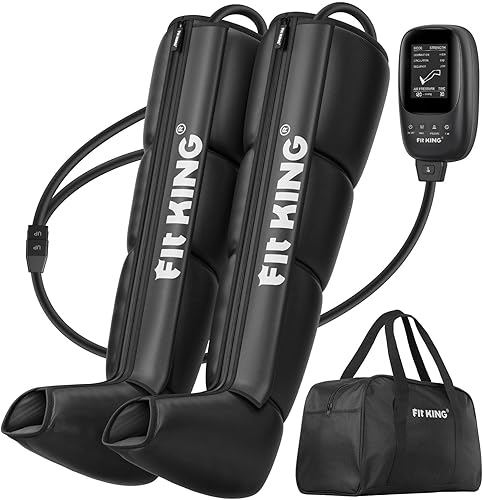
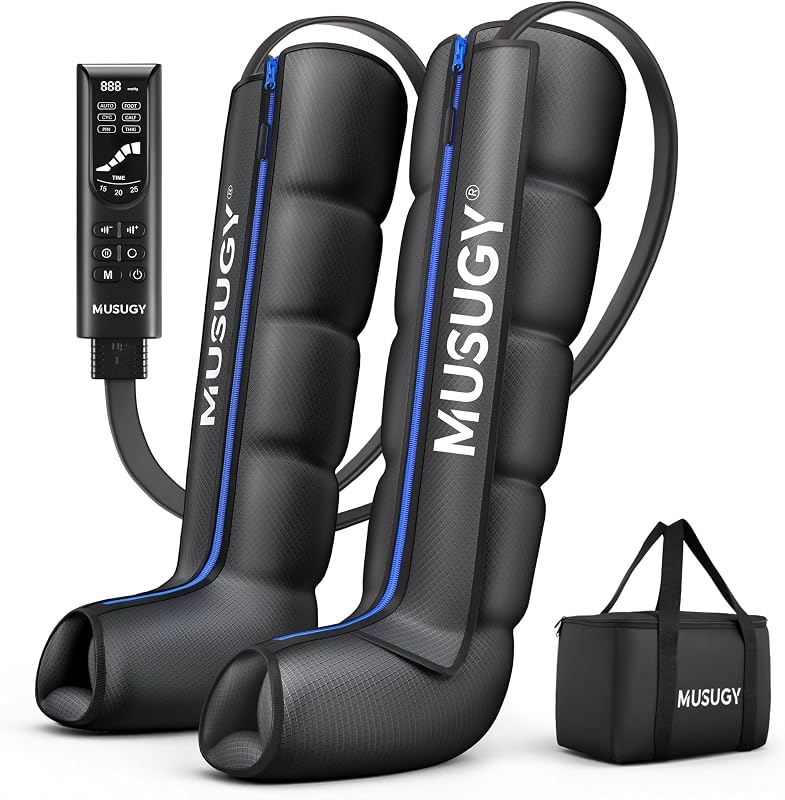
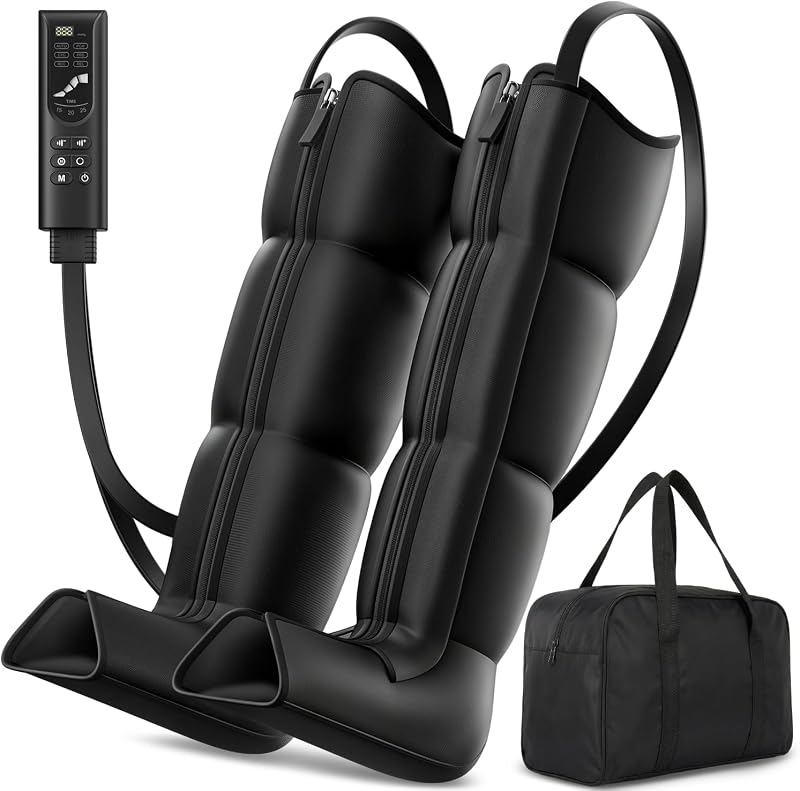
Featured recommendations from our review database — direct Amazon links below.
How Massage Guns Work: A Peek Under the Hood
Every massage gun on the market —
- A brushless motor spins at high RPM. (The quieter, more efficient ones are brushless. Cheaper models still use brushed motors that whine like a dental drill in a tin can.)
- A cam or eccentric wheel converts that rotation into linear motion.
- An attachment head transfers the pulse into your tissue.
- A handle and battery keep the whole thing portable.
The Two Specs That ACTUALLY Matter
> Amplitude = how far the head travels per stroke (the "depth" of the punch) > Stall Force = how much pressure it takes to stop the motor (the "strength" of the punch)
My budget TOLOCO gun has roughly 10mm amplitude, while my Theragun Elite hits 16mm. You can feel the difference immediately:
- The Theragun thumps into a glute like a tiny boxer.
- The TOLOCO buzzes the surface like an aggressive electric toothbrush.
Pro Tip
> Marcus's Rule of Thumb: Spend 60 seconds — not five minutes — on any single muscle group. Glide slowly, let the percussion do the work, and never drive the gun into bone, joints, or your spine. More time doesn't equal more recovery. It just equals more bruises.
Vibration vs. Percussion Therapy: The Showdown
This is the question I get most often, so let me settle it once and for all.
Vibration Therapy
Uses high-frequency oscillation with very low amplitude (often under 2mm). Think of a vibrating foam roller buzzing under your IT band. It works the surface, increases circulation, and feels pleasant — like a warm hum traveling through your tissue.Best for: Pre-workout warm-up, large muscle groups, general circulation, beginners.
Percussion Therapy
Uses lower frequency but dramatically higher amplitude strokes that physically punch into tissue. The sensation is sharper, more localized, and reaches deeper structures the buzz of vibration simply cannot touch.Best for: Post-workout recovery, knotted muscles, targeted trigger points, deep tissue work.
| Feature | Vibration | Percussion |
|---|---|---|
| Frequency | Very High (30-50Hz) | Moderate (30-40Hz) |
| Amplitude | Tiny (under 2mm) | Deep (10-16mm) |
| Sensation | Buzz | Thump |
| Best Use | Warm-up, mobility | Recovery, knots |
| Learning Curve | None | Moderate |
Watch: Massage Gun Mistakes That Are Wrecking Your Recovery
This is the video I wish I'd watched when I bought my first gun. Three minutes of common mistakes — including a few I was definitely making:
Key Takeaways: What to Remember
> The 5 Truths of Percussion Therapy: > > 1. It does reduce next-day soreness and improve short-term range of motion. > 2. It does NOT flush lactic acid — that's marketing fiction. > 3. Amplitude and stall force matter more than "percussions per minute." > 4. Spend 60 seconds per muscle, not five minutes. Less is more. > 5. A $100 gun with good specs beats a $400 gun with a fancy logo every single time.
The Bottom Line
Percussion therapy isn't magic. It won't turn a bad night's sleep into a personal record, and it won't undo a season of skipped mobility work. But for the 10 minutes a day it takes to use one, a good massage gun is one of the highest-ROI recovery tools you can own.
My honest recommendation? Start with the RENPHO Deep Tissue if you're new — it's the sweet spot of price, power, and quiet operation. Upgrade to the Theragun Elite only when you genuinely outgrow your starter gun, which most people never do.
Now stop reading. Go pulse your hamstrings.
Related Reviews
- How to Choose the Right Recovery Tool: Massage Gun vs Foam Roller FAQ
- How to Clean and Maintain Your Massage Gun and Foam Roller
- How Often Should You Use a Foam Roller? Tips for Safe Recovery
- Post-Workout Recovery Routine: A Step-by-Step Guide Using Massage Guns and Foam Rollers
- Best Massage Guns of 2026: Top Percussion Therapy Devices Reviewed
Key Takeaways
- Choosing the right what is percussion therapy means matching the key features to your specific needs and budget
- Read real customer reviews and check the return policy before you commit
- Also covers: how massage guns work
- Also covers: percussive massage benefits
- Also covers: vibration vs percussion therapy
- Compare value across models — the priciest option is not always the best fit