As an Amazon Associate this site earns from qualifying purchases.
Top Picks
The Foam Roller Revolution: By the Numbers
| Stat | What It Means for You |
|---|---|
| 87% of athletes use foam rollers weekly | You're joining a smart recovery movement |
| 30 seconds of rolling can boost flexibility | Tiny time investment, massive returns |
| 3-5 minutes is the sweet spot per muscle group | Efficient, science-backed recovery |
| $15-$60 typical price range | Affordable elite-level recovery |
Why Your Foam Roller Choice Matters More Than You Think
Picture this: You've just crushed an intense workout. Your muscles are screaming, your hamstrings feel like steel cables, and your back is begging for relief. You reach for your foam roller... but is it the right one?
Here's the truth most fitness brands won't tell you: not all foam rollers are created equal. The wrong density can leave you frustrated with zero results. The wrong size won't reach the muscles that matter most. And the wrong texture? It might just collect dust in your closet.
The best foam roller buying guide for your situation depends on how you plan to use it and where.
This guide changes everything.
> "A foam roller is only as effective as its match to your body, goals, and recovery needs. Choose wisely, and it becomes your most powerful recovery tool."
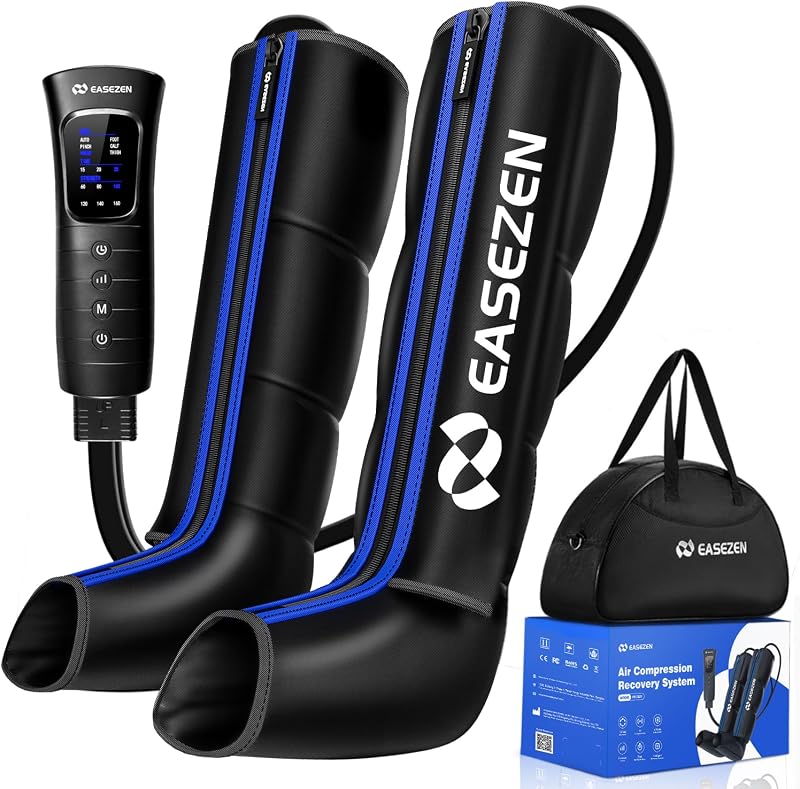
Featured recommendations .
Density Decoded: Soft, Medium, or Firm?
Density is the single most important factor in choosing your foam roller. Think of it like choosing a mattress, the wrong firmness ruins everything.
Soft Density (Low Firmness)
Best for: Beginners, sensitive muscles, post-injury recovery, older adultsThese rollers feel forgiving and gentle. If you've never foam rolled before or you're recovering , this is your entry point. Color-coded usually in white or light blue.
> Expert Tip: Start soft, graduate firm. Your tissue tolerance builds over weeks, not days.
Medium Density (The Goldilocks Zone)
Best for: Regular gym-goers, weekend warriors, general recoveryThe most versatile option on the market. Firm enough to release tight knots, gentle enough that you won't dread using it. Usually black or dark blue.
Firm/Extra-Firm Density
Best for: Athletes, advanced users, deep tissue work, dense muscle groupsThis is the heavyweight champion. It digs deep into stubborn fascia and breaks up adhesions that softer rollers can't touch. Reserved for those who've earned it.
Watch: Foam Rolling Done Right
Size Matters: Finding Your Perfect Length
Full-Length Rollers (36 inches)
The classic, all-purpose champion. Long enough to roll your entire back lengthwise, stable enough for balance exercises, and versatile enough for every muscle group.Choose this if: You want one roller to rule them all.
Mid-Length Rollers (24 inches)
The travel-friendly compromise. Still long enough for back work but easier to store and pack.Choose this if: Space is tight or you travel often.
Short Rollers (12-18 inches)
The targeted specialist. Perfect for arms, calves, and pinpoint trigger work.Choose this if: You already own a longer roller and want precision.
Diameter Matters Too!
- 6 inches (standard): Maximum coverage and stability
- 4 inches (compact): Deeper, more focused pressure
- 3 inches (mini): Ultra-targeted release
Texture Talk: Smooth vs. Textured Surfaces
Smooth Rollers
Clean, uniform surface that delivers even pressure across muscles. Perfect for beginners and those with sensitive tissue. No surprises, no aggressive sensations, just steady relief.Textured Rollers (Grid, Knobby, or Ridged)
These feature raised patterns that mimic a masseuse's hands. The bumps and ridges target trigger points with surgical precision.Pro insight: Textured rollers can feel intense at first. That intensity? It's the difference between surface-level relief and deep myofascial release.
> "If you've plateaued with a smooth roller, texture is your next breakthrough."
The Decision Matrix: Match Yourself to the Perfect Roller
You're a Beginner if:
- New to foam rolling
- Sensitive to pressure
- Recovering
- Recommended: Soft density, smooth surface, 24-36 inch length
- Workout 3-5 times per week
- Want versatile recovery
- Ready for some intensity
- Recommended: Medium density, textured surface, 36-inch length
- Train intensely or competitively
- Have dense muscle tissue
- Crave deep tissue release
- Recommended: Firm density, aggressive texture, multiple sizes
Watch: Choosing the Right Foam Roller for Your Body
Key Takeaways: Your Cheat Sheet
- Density first: Match firmness to your experience level, not your ambition
- Size second: 36-inch full-length is the safest universal choice
- Texture third: Smooth for beginners, textured for breakthroughs
- Quality matters: A $30 quality roller outperforms three $10 rollers
- Progress gradually: Your tolerance and benefits grow over time
The Bottom Line
Your foam roller isn't just a piece of foam, it's a recovery investment in your future self. The right choice means faster recovery, better workouts, and a body that feels younger, looser, and more capable every single day.
Don't settle for a random roller . Choose with intention. Choose with knowledge. Choose the roller that matches who you are and where you're going.
Your muscles will thank you. Your performance will reflect it. And your recovery game will never be the same.
Related Reviews
- Massage Gun Specs Decoded: Stall Force, Amplitude, and RPM Guide
- How to Choose a Massage Gun: Complete Buyer's Guide for 2026
- Recovery Tool Budget Guide: What to Spend for Your Fitness Level
- How Often Should You Use a Foam Roller? Tips for Safe Recovery
- How to Choose the Right Recovery Tool: Massage Gun vs Foam Roller FAQ
Key Takeaways
- Choosing the right foam roller buying guide means matching the key features to your specific needs and budget
- Read real customer reviews and check the return policy before you commit
- Also covers: foam roller density explained
- Also covers: what size foam roller to buy
- Also covers: soft vs firm foam roller
- Compare value across models — the priciest option is not always the best fit
