
Top Picks
Massage Gun Specs Decoded: The Ultimate Guide to Stall Force, Amplitude, and RPM
Ever stared at a massage gun spec sheet and felt like you were reading ancient hieroglyphics? You're not alone. Stall force, amplitude, percussions per minute — the jargon is enough to make even fitness veterans throw in the towel.
But here's the truth: understanding these three numbers is the difference between buying a $400 paperweight and unlocking the recovery tool that changes your training forever.
Finding the right massage gun stall force and amplitude explained comes down to matching the features to how you will actually use it.
Let's decode it all — in plain English.
The Three Numbers That Actually Matter
Forget the marketing fluff. When you strip away the flashy LED screens and Bluetooth gimmicks, every massage gun on the planet lives or dies by three core specifications:
> "Amplitude is the depth. Stall force is the power. RPM is the speed. Master these three, and you'll never overpay for a massage gun again."
| Spec | What It Measures | Why It Matters |
|---|---|---|
| Amplitude | How far the head punches forward (mm) | Determines how deep the massage goes |
| Stall Force | Pressure before motor stalls (lbs) | Defines real-world power under load |
| RPM/PPM | Percussions per minute | Controls speed and sensation intensity |
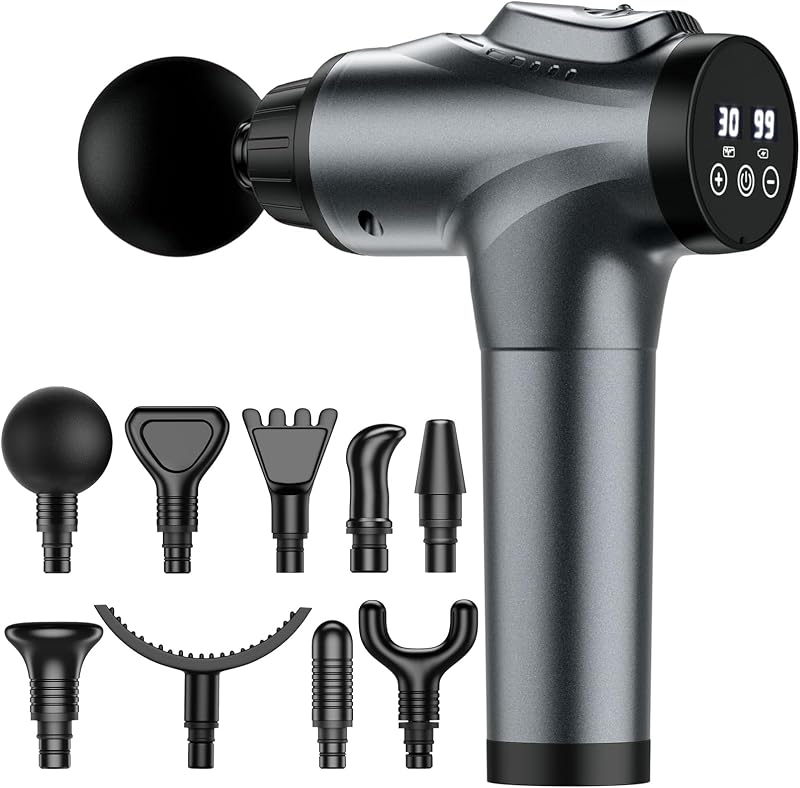
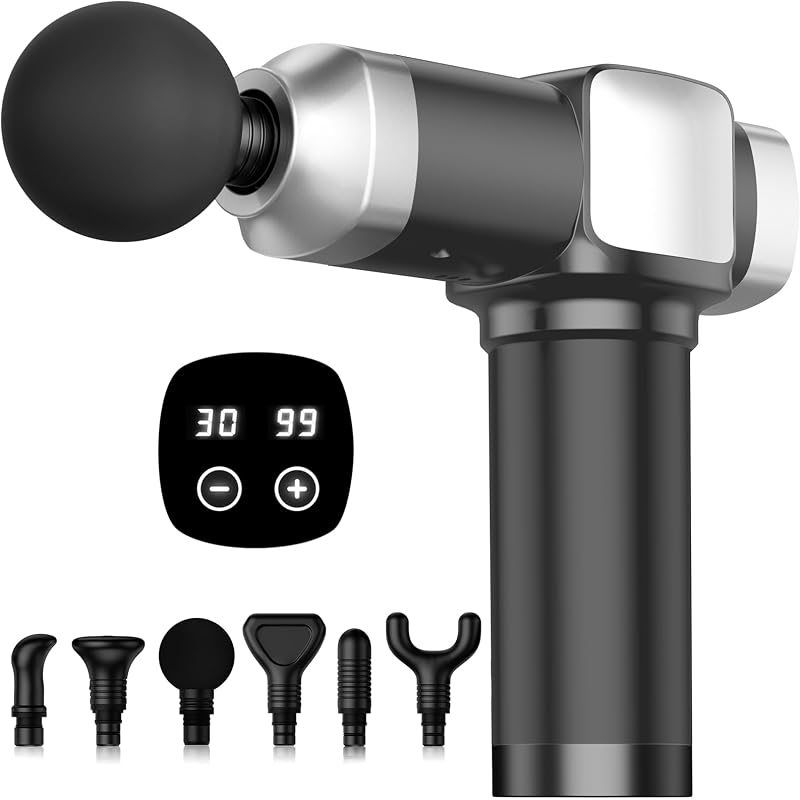
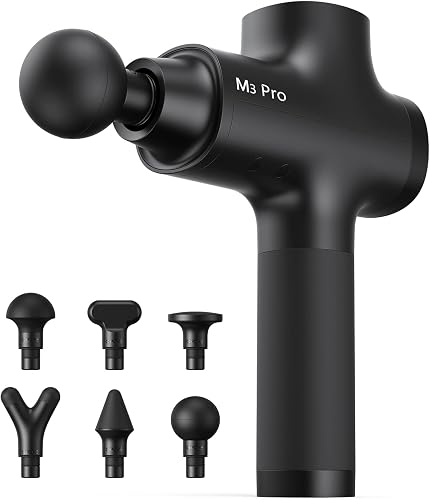
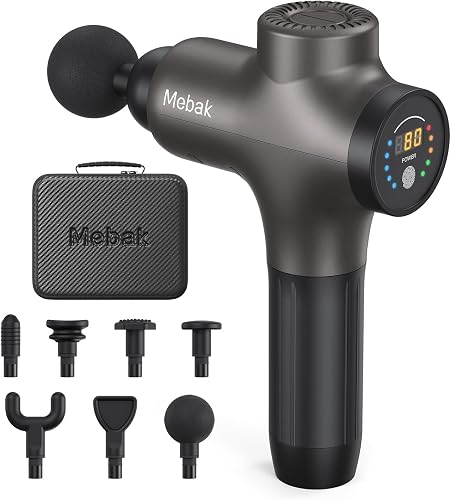
Featured recommendations .
Amplitude: The Spec Nobody Talks About (But Should)
Amplitude is the most underrated spec in the entire industry.
It measures how far the massage head travels with each stroke — typically between 10mm and 16mm. Think of it like the difference between a gentle tap and a deep, knuckle-deep thumb press .
The Amplitude Breakdown
- 10mm or less — Surface-level vibration. Good for sensitive areas, facial work, and light warm-ups. Not deep tissue.
- 12mm — The industry sweet spot for casual users. Hits muscle bellies without bruising bone.
- 14-16mm — Pro-grade depth. This is where serious athletes and therapists play. Penetrates fascia and reaches knotted-up trigger points.
Stall Force: The Real Power Metric
Here's where most buyers get fooled. Brands love to brag about "motor wattage" — but watts in a vacuum mean nothing. What matters is how much pressure your gun can handle before the motor literally stops moving.
That's stall force.
Stall Force Tiers
- Under 30 lbs — Beginner territory. Fine for forearms, calves, and light use.
- 30-50 lbs — Solid mid-range. Handles most muscle groups without quitting.
- 50-60+ lbs — Elite tier. You can lean your entire bodyweight in and it keeps thumping.
Watch: Massage Gun Specs Explained Visually
`youtube:massage gun amplitude stall force explained`
RPM (Percussions Per Minute): Speed Isn't Everything
This is the spec brands love to inflate. "3,200 RPM!" "4,000 PPM!" Sounds impressive, right?
Here's the dirty secret: higher RPM with low amplitude feels like a buzzing electric toothbrush. It does almost nothing for deep recovery.
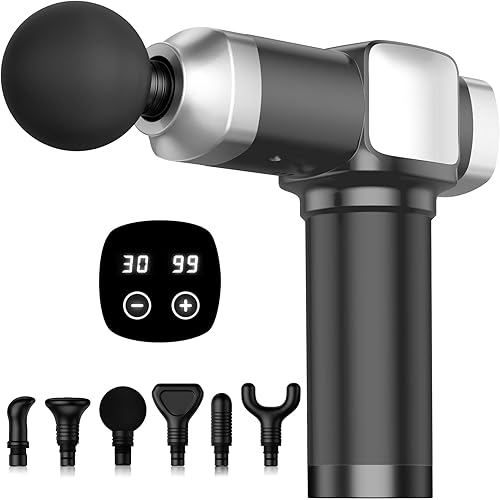
The RPM Sweet Spots
- 1,200-1,800 RPM — Warm-up and cooldown zone. Activates blood flow without overstimulating.
- 2,000-2,400 RPM — The therapeutic range. Where most muscle recovery actually happens.
- 2,500-3,200 RPM — Maximum stimulation. Great for pre-workout activation and quick muscle wake-ups.
The Golden Ratio: How to Read a Spec Sheet Like a Pro
Here's the framework that separates smart buyers
The Perfect Combo for Most Users
- Amplitude: 12-14mm minimum
- Stall Force: 40+ lbs
- RPM Range: 1,750 to 2,800 (with multiple speeds)
- Battery Life: 2+ hours
- Weight: Under 2.5 lbs (your arm will thank you)
Red Flags to Avoid
- Brands that hide amplitude numbers
- "Stall force" listed without testing methodology
- RPM as the only highlighted metric
- Vague language like "professional grade power"
Quick Reference: Matching Specs to Your Goals
| Your Goal | Amplitude | Stall Force | RPM |
|---|---|---|---|
| Casual recovery | 10-12mm | 25-35 lbs | 1,800-2,400 |
| Athletic recovery | 12-14mm | 40-50 lbs | 1,750-2,800 |
| Deep tissue / pro use | 14-16mm | 55-60+ lbs | 1,750-2,400 |
| Sensitive areas only | 6-10mm | 20-30 lbs | 1,400-2,000 |
Watch: How to Choose the Right Massage Gun
`youtube:how to choose a massage gun buying guide`
The Bottom Line
Forget the flashy marketing. Forget the celebrity endorsements. The next time you shop for a massage gun, walk in armed with three numbers: amplitude, stall force, and RPM.
Know what those numbers mean. Know what range you need. Then — and only then — pull out your wallet.
> Your muscles will thank you. Your wallet will thank you. And you'll never fall for a $99 "deep tissue" gun with 7mm amplitude again.
Key Takeaways
- Amplitude controls depth — aim for 12mm+
- Stall force reveals real power — 40 lbs+ for serious use
- RPM is overrated alone — pair it with strong amplitude
- Spec transparency is the #1 sign of a trustworthy brand
- Match the tool to the job — not every body needs pro-tier power
Related Reviews
- How to Choose a Massage Gun: Complete Buyer's Guide for 2026
- Foam Roller Buying Guide: Density, Size, and Texture Explained
- Recovery Tool Budget Guide: What to Spend for Your Fitness Level
- How to Use a Massage Gun: Complete Beginner's Guide for Every Muscle Group
- How to Choose the Right Recovery Tool: Massage Gun vs Foam Roller FAQ
Key Takeaways
- Choosing the right massage gun stall force and amplitude explained means matching the key features to your specific needs and budget
- Read real customer reviews and check the return policy before you commit
- Also covers: what is stall force massage gun
- Also covers: massage gun amplitude meaning
- Also covers: percussion per minute guide
- Compare value across models — the priciest option is not always the best fit